Hemstitch Flower: A Designer’s Craft Fair Review
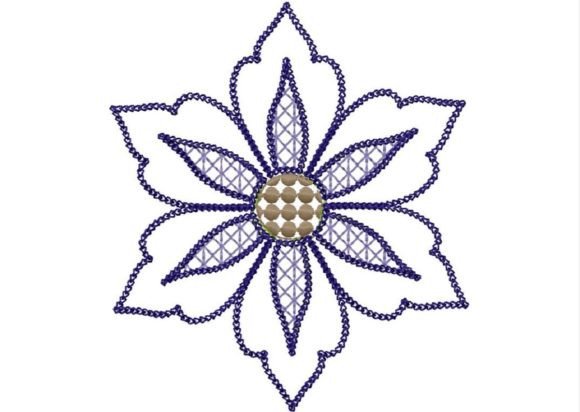
As an embroidery designer preparing for a weekend craft fair, I approach every new machine embroidery design with a critical eye. It is not enough for a digitized file to look pretty on a computer screen; it must translate into a tangible, sellable item that catches the attention of shoppers walking past a booth. When evaluating the Hemstitch Flower design, specifically in this white work style, my immediate assessment focuses on its versatility and perceived value. This design does not scream for attention with neon colors or cartoonish shapes. Instead, it whispers elegance, tradition, and high-end craftsmanship. For handmade shop owners and Etsy sellers, this specific aesthetic is a powerful tool because it bridges the gap between vintage heirloom quality and modern minimalism.
Evaluating Visual Appeal and Market Positioning
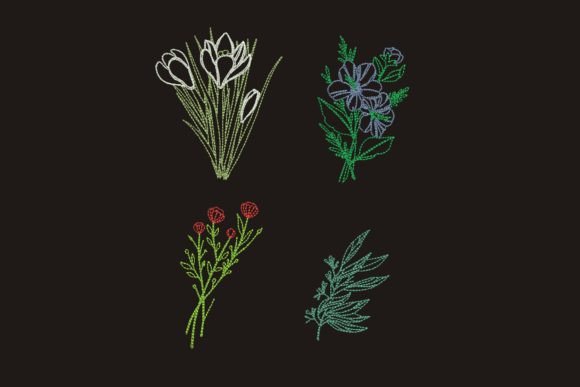
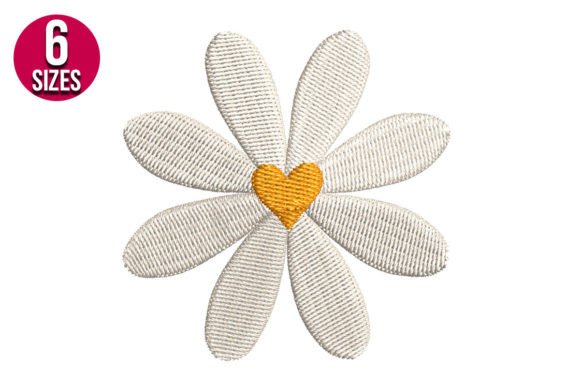
The first impression of Hemstitch Flower is undeniably sophisticated yet accessible. In the category of Outline Flowers, this design stands out because it mimics the intricate hand-sewing techniques of the past using modern automation. For a craft fair product, this is gold. Shoppers at handmade markets are often looking for items that feel authentic and labor-intensive. Even though we know this is a digital embroidery file, the visual texture of hemstitching communicates "premium" to the buyer. It feels soft, decorative, and intentionally delicate.
From a branding perspective, this design supports a cohesive booth display. If your table features natural linens, cotton canvas, or neutral tones, Hemstitch Flower acts as the perfect unifying element. It avoids the cluttered look of overly dense fills, making it ideal for customers who appreciate farmhouse chic, cottagecore, or minimalist aesthetics. As a creative entrepreneur, you are selling a feeling as much as a product, and this design evokes a sense of calm, domestic artistry that justifies a higher price point than standard novelty embroidery.
Best Product Applications for Weekend Markets
When planning inventory for a market stall, I categorize designs by their "sellability" on specific blanks. Hemstitch Flower is exceptionally versatile, but it shines brightest on items where the fabric texture plays a role in the final presentation.
- Tea Towel Embroidery: This is arguably the strongest application for this design. White work on flour sack towels or waffle weave cotton creates an instant heirloom gift. The open nature of hemstitching allows the towel's functionality to remain intact without creating a stiff, bulletproof patch of stitches.
- Tote Bag Design: Natural canvas tote bags are a staple for craft fairs. Placing this flower design near the top rim or as a centered focal point elevates a basic utility bag into a fashion accessory. The contrast of white thread on unbleached canvas is timeless and photographs beautifully for social media marketing.
- Apron Embroidery: For boutique makers targeting chefs, bakers, or gardeners, this design adds a touch of feminine grace to utilitarian wear. It works particularly well on bib aprons or waist ties where a smaller, refined motif is preferred over large logos.
- Pillow Covers and Home Decor: Since the description highlights home decor, consider offering embroidered pillow shams or linen napkins. These items allow for larger hoop sizes, showcasing the full detail of the hemstitch technique.
While this design can be used on clothes, I advise caution for high-wear areas like children's play clothes. Hemstitch styles often involve decorative holes or pulled-thread effects that may not withstand aggressive washing cycles as well as solid satin stitches. Reserve apparel applications for adult blouses, cardigans, or special-occasion wear where the garment will be treated gently.
Production Practicality and Batch Efficiency
For small shop product lines, production speed matters. One of the significant advantages of Hemstitch Flower is its potential for batch production. Because it is likely monochromatic or uses very few thread colors, you can minimize machine stops for color changes. This efficiency is crucial when stocking up for a busy holiday market. You can hoop multiple tea towels or run a series of patches without constantly rethreading, keeping your overhead low and output high.
Furthermore, this design is highly photogenic. When creating printable mockups or listing photos for Etsy, white work captures light and shadow beautifully, adding depth to flat lay photography. Unlike complex multicolor designs that can look muddy in thumbnails, the crisp lines of this outline flower remain clear even at small sizes on mobile screens. This clarity directly impacts click-through rates and conversion for digital sellers and those selling finished goods online.
Critical Technical Considerations for Success
Despite its beauty, hemstitch-style embroidery requires technical precision. As an experienced designer, I must highlight specific cautions to ensure your finished product meets customer expectations.
- Fabric Texture and Stability: True hemstitching relies on manipulating fabric threads. If you are using a simulation stitch on a stable fabric, you must use the correct stabilizer. A tear-away might leave residue in the open areas, while a wash-away could cause puckering if not rinsed thoroughly. Test on scrap fabric identical to your final product before committing to a production run.
- Stitch Density and Holes: Designs featuring decorative holes or cutwork elements can compromise fabric integrity if the density is too high or the needle is too thick. Always check the recommended needle size. Using a sharp needle rather than a universal one can help pierce tightly woven linens cleanly without fraying the surrounding fibers.
- Contrast and Visibility: While white-on-white is classic, it can be difficult to photograph or see in dimly lit convention centers. Consider testing tone-on-tone variations, such as cream thread on oatmeal linen, to enhance visibility while maintaining the subtle aesthetic. Ensure there is enough contrast for the design to be appreciated from three feet away at your booth.
- Sizing Limitations: Outline flowers with fine details do not always scale down well. Before turning this into an embroidered patch or pocket accent, verify the minimum size. Tiny hemstitch details can turn into a perforated mess if reduced beyond the digitizer’s intended parameters. Check the included sizes in the embroidery file package before purchasing.
Designer Notes for Commercial Viability
Before listing any item made with Hemstitch Flower as a commercial embroidery product, due diligence is required. First, confirm the licensing terms. Just because a digital embroidery file is available does not automatically grant permission to sell unlimited physical products. Respect the digitizer's intellectual property to maintain ethical standards in the maker community.
Secondly, create at least one physical sample before the fair. Digital previews cannot replicate how thread sheen interacts with fabric grain. Your sample serves two purposes: quality control and marketing. Display this sample prominently at your booth to show customers the tactile reality of the stitch. Touch sells. When a customer runs their finger over the raised texture of the hemstitch, the perceived value increases instantly.
Finally, integrate this design into a broader collection. Hemstitch Flower should not exist in isolation. Pair it with matching monograms, simple borders, or complementary botanical elements to encourage multi-item purchases. A customer might buy one tea towel, but they will buy a set of four if the designs coordinate perfectly. By treating this machine embroidery design as part of a curated brand identity rather than a standalone graphic, you maximize both booth engagement and long-term business growth. Whether you are selling the finished handmade product or promoting the design assets themselves, the key lies in presenting it with the same care and intention that went into stitching it.