Mini Daisy Flower with Heart: A Craft Fair Review
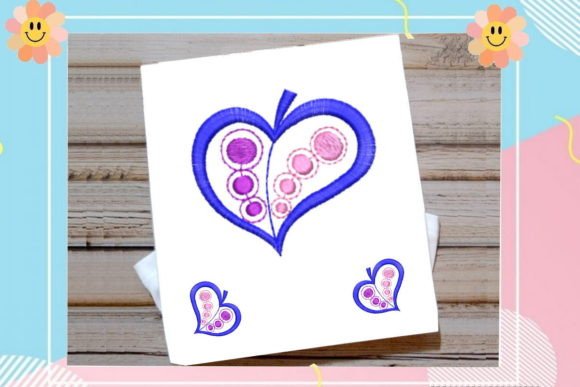
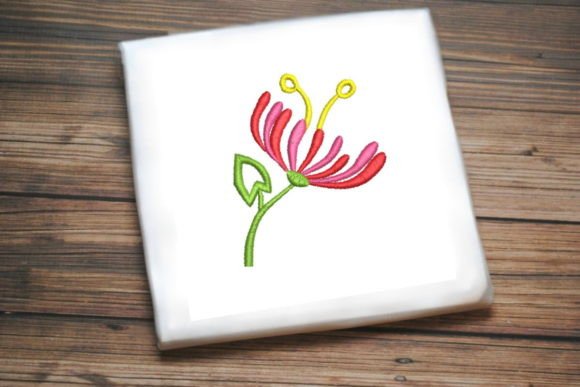
As an embroidery designer preparing for a weekend craft fair, I approach every new machine embroidery design with a critical eye. It is not enough for a digitized file to look good on a computer screen; it must translate into a profitable craft fair product that catches the attention of shoppers walking past a crowded booth. When evaluating the Mini Daisy Flower with Heart, my primary focus is on its commercial viability for handmade sellers, Etsy shop owners, and boutique makers. This design falls within the Single Flowers Plants category, but its specific aesthetic—a dainty floral paired with a sentimental motif—places it in a unique niche for youthful, fresh, and giftable merchandise.
First Impressions and Market Positioning
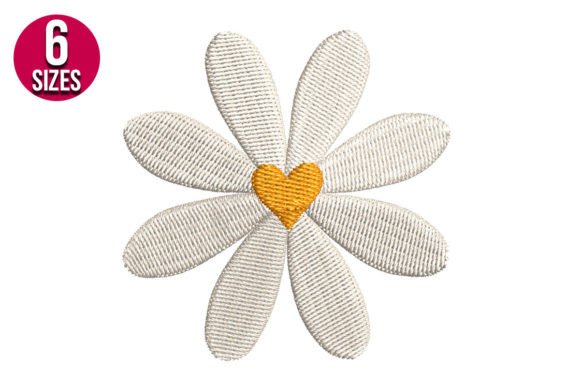
The immediate visual impact of the Mini Daisy Flower with Heart is undeniably soft and youthful. Unlike bold, rustic sunflowers or elegant, complex roses, this design communicates innocence and freshness. For a handmade product lineup, this is a strategic asset. It does not scream for attention from across the room; instead, it invites closer inspection. This makes it an ideal candidate for items that customers pick up and hold, such as fabric pouches, baby bibs, or personalized gifts. The combination of the daisy and heart creates a dual appeal: it satisfies the botanical trend while adding an emotional hook that drives impulse purchases at markets.
For Etsy sellers and digital creators, this aesthetic photographs beautifully. The "dainty" nature described in the product details suggests clean lines and open space, which translates well in printable mockups and listing photos. However, because the design relies on delicacy rather than bold contrast, sellers must be intentional about background choices. A busy or dark background could swallow the design, whereas a crisp white or pastel linen will make the stitches pop in online listings and physical displays alike.
Best-Selling Applications for Booth Displays
When stocking a table for a weekend market, versatility is key. Based on the description of this design as a "fresh and dainty accent," I have identified several high-potential applications for the Mini Daisy Flower with Heart.
- Tea Towel Embroidery: This is arguably the strongest application. Kitchen linens require designs that are decorative but not overwhelming. Placing this mini design in the bottom corner or centered above a hanging loop creates a charming, farmhouse-modern look that appeals to gift buyers.
- Tote Bag Design: Canvas totes are craft fair staples. Because this design is "mini," it works best as a pocket placement or a subtle center-chest accent rather than a massive all-over print. It adds value to a basic canvas bag without requiring excessive stitch time, keeping profit margins healthy.
- Apron Embroidery: For children’s aprons or petite adult gardening aprons, this design is perfect. It reinforces the "youthful look" mentioned in the product description and pairs exceptionally well with gingham or solid pastel fabrics.
- Embroidered Patches: Given its compact size, this artwork can easily be converted into a merrowed-edge patch. These are excellent low-cost add-ons at a booth or standalone digital products for other crafters.
- Small Shop Product Lines: Hair clips, pacifier clips, and bookmark ribbons benefit from small-scale embroidery. The Mini Daisy Flower with Heart provides just enough detail to elevate these micro-products without causing fabric distortion.
Production Practicality and Batch Efficiency
For commercial embroidery businesses and solo entrepreneurs, time is money. A design that looks beautiful but takes three hours to stitch is rarely viable for low-to-mid-priced market goods. The term "mini" in the title suggests a lower stitch count, which is advantageous for batch production. When preparing for a fair, I look for design assets that allow me to hoop multiple items at once or re-hoop quickly. If this embroidery file is optimized for speed without sacrificing coverage, it becomes a workhorse design for filling inventory gaps.
Furthermore, the repeatability of this design matters. Can it be used across different product categories while maintaining brand consistency? Yes. Seeing the same Mini Daisy Flower with Heart on a matching set of tea towels, napkins, and oven mitts encourages customers to buy bundles rather than single items. This cohesion strengthens booth display strength and increases average transaction value.
Critical Technical Considerations for Makers
While the aesthetic is promising, technical execution determines whether a finished product looks professional or amateur. As a designer, I must issue several careful-use notes regarding this specific style of artwork.
Fabric Texture and Stabilizer Choice
Dainty designs are unforgiving on textured surfaces. If you plan to use this for tea towel embroidery on flour sack cotton, the smooth weave is ideal. However, if applying this to terry cloth towels or waffle-weave fabrics, you must account for texture. The small details of the heart and daisy petals can get lost in the pile. Always use a water-soluble topping to prevent stitches from sinking. For caps or curved surfaces, ensure the hoop size is appropriate to minimize flagging, which can distort small lettering or fine satin stitches.
Stitch Density and Thread Colors
Check the stitch density before running a full production batch. "Mini" designs sometimes suffer from overcrowding if the digitizer did not adjust compensation for the smaller scale. Test the embroidery file on scrap fabric first. If the fabric puckers, the density is too high for your chosen material. Additionally, review the thread colors. Since the design is meant to be fresh and youthful, avoid muddy or overly dark variegated threads. Solid, bright, or soft pastel threads usually render the best clarity for small floral motifs.
Sizing Limitations
Be cautious when resizing. While the product is titled "Mini," there is a floor to how small it can go before the heart shape loses definition or the daisy petals merge. Conversely, enlarging it significantly may reveal gaps in fill stitches intended for a smaller area. Always confirm the native size and recommended scaling limits within your software before committing to a digital embroidery file purchase for production.
Designer Notes for Commercial Success
To maximize the ROI on the Mini Daisy Flower with Heart, treat it as a premium accent rather than a generic filler. Here is my checklist for integrating this design into your business:
- Create Real Mockups: Do not rely solely on digital renders. Stitch out at least one sample on your actual selling substrate (e.g., the exact tote bag or apron you stock). Photograph this in natural light to verify the "youthful look" translates in real life.
- Verify Licensing: Before selling finished goods or listing the design itself, confirm the commercial licensing terms. Ensure you have the right to sell physical products embroidered with this file at craft fairs and online.
- Contrast Testing: Test the design on both white and colored fabrics. A white daisy on white fabric requires a tonal stitching strategy or a contrasting outline to be visible. A yellow daisy on cream fabric may need a darker center or stem for definition.
- Bundle Strategy: Use this design to create themed collections. A "Spring Garden" bundle featuring this daisy alongside other Single Flowers Plants designs can increase perceived value.
- Display Height: At your booth, place items featuring this design at eye level or lower. Because it is a detailed, small-scale design, it won't be seen from a distance. Let customers discover it through proximity.
The Mini Daisy Flower with Heart represents a sweet spot in the embroidery market: it is emotionally resonant, technically manageable, and aesthetically versatile. By respecting its delicate nature and pairing it with the right substrates, Etsy sellers and market vendors can turn this charming digital asset into tangible sales. Whether you are embellishing a child's dress or creating a signature line of kitchen linens, this design offers the freshness and quality that handmade buyers actively seek. Just remember to test, stabilize correctly, and let the dainty charm of the design speak for itself.