Wildflower: A Designer’s Review for Craft Fairs
As I prepare my booth inventory for the upcoming weekend craft fair, my primary focus is always on versatility and visual impact from a distance. When evaluating the Wildflower machine embroidery design for this season's collection, I am looking at it through the lens of a business owner who needs products that sell quickly and justify their price point. This dainty and beautiful wildflower embroidery is described as perfect for adding a sweet natural accent to any fabric, and based on my initial assessment of the digital file, it holds significant promise for both home decor and wearable goods. However, translating a pretty screen image into a profitable handmade product requires a critical eye toward production realities and customer psychology.
First Impressions: Dainty Aesthetics Meet Commercial Viability
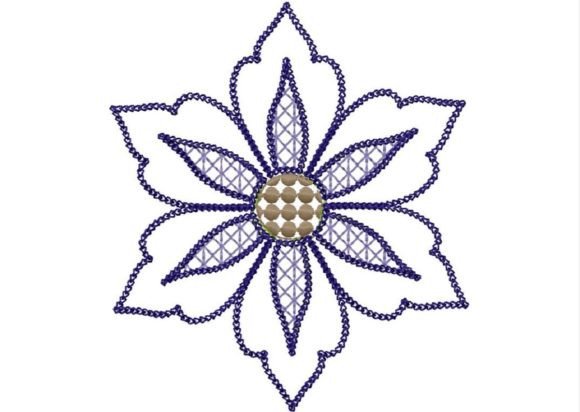
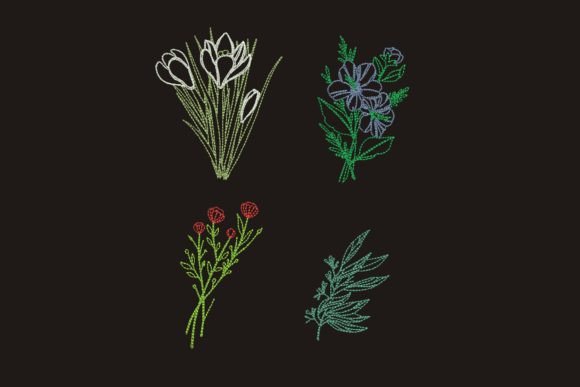
The immediate impression of Wildflower is one of soft elegance and organic charm. It does not scream for attention with neon colors or aggressive density; instead, it invites the viewer in with delicate lines and a natural flow. For an Etsy seller or boutique maker, this aesthetic is currently trending heavily in the "cottagecore" and modern farmhouse niches. The design feels premium because it avoids the cluttered look of amateur digitizing. As an outline flower style, it relies on precision rather than volume, which suggests it will photograph beautifully for online listings while maintaining a sophisticated, hand-drawn appearance in person.
For a craft fair product lineup, this mood is advantageous. Customers browsing tables are often overwhelmed by visual noise. A design that reads as "dainty and beautiful" acts as a visual palate cleanser. It signals high-quality craftsmanship and intentionality. Whether positioned as a standalone motif on a linen pouch or repeated as a border on a tea towel, Wildflower communicates a sense of calm luxury that justifies a higher price tag compared to generic clip-art embroidery.
Best-Selling Applications for Market Booths
Determining where to place this embroidery file in your production queue is crucial for maximizing ROI. Based on the description that it looks amazing on home decor, I have identified several high-potential applications for small shop products:
- Tea Towel Embroidery: This is likely the strongest performer for this specific design. The open nature of outline flowers allows the texture of waffle weave or flour sack cotton to show through, preventing the stiff "bulletproof vest" effect that dense designs can cause. Wildflower would work exceptionally well as a corner accent or a centered minimalist motif.
- Tote Bag Design: Natural canvas totes are a staple at handmade markets. Because Wildflower is dainty, it works best when scaled appropriately. Rather than centering a tiny flower on a massive bag, consider placing it near the bottom hem or creating a repeating pattern along the strap area. This creates a custom, designer feel that distinguishes your tote from mass-produced alternatives.
- Apron Embroidery: For culinary-focused gifts, this design adds a feminine touch without being overly frilly. It pairs perfectly with denim or linen aprons. The key here is placement; stitching it on the chest bib or the lower pocket edge ensures visibility when the apron is worn.
- Embroidered Patches: Given its outline nature, Wildflower could be digitized or stitched onto felt or twill to create iron-on patches. These are excellent low-cost add-ons at a booth display, allowing customers to buy into your brand even if they cannot afford a finished embroidered item.
- Pillow Covers and Home Decor: Since the product description explicitly mentions home decor, do not overlook throw pillows. The design’s natural accent quality makes it ideal for neutral-toned linens, appealing to customers decorating with biophilic design principles.
Production Realities: Stitch Density and Fabric Texture
While the aesthetic is lovely, practical execution determines profit margins. As an experienced designer, I must caution against assuming all outline flowers behave identically. You must verify the stitch density before committing to batch production. If the Wildflower design uses extremely thin running stitches, it may disappear on textured towels or nubby linens. Conversely, if the outline has been converted to a satin stitch for durability, ensure it isn't so dense that it distorts lightweight fabrics like voile or batiste.
Fabric texture is the enemy of fine detail. If you plan to use this digital embroidery file on terry cloth or fleece, you must employ a water-soluble topping to prevent the stitches from sinking into the pile. For caps, be wary of curved surfaces; dainty floral stems can warp if the cap material is too structured or if the hoop tension is uneven. Always test on scrap fabric that matches your final commercial embroidery substrate. A design that looks crisp on screen can become a jagged mess on burlap or heavy canvas if the stabilizer choice is incorrect.
Sizing and Clarity Considerations
The description notes that this machine embroidery design comes with multiple embroidery sizes. This is a massive asset for creative entrepreneurs. However, resizing outline designs requires care. Reducing a wildflower below a certain threshold can cause thread breaks or loss of definition, especially in petal tips or stamen details. Before listing a mini version on Etsy, stitch a physical sample to confirm legibility. Similarly, enlarging the design may reveal gaps in stitch coverage if the original digitizing wasn't optimized for larger hoops. Always respect the intended size range to maintain the "beautiful" quality promised in the product title.
Booth Display and Customer Engagement Strategy
At a weekend market, your booth display strength depends on how quickly a customer understands the value of your work. Wildflower aids this process because its subject matter is universally understood and emotionally resonant. To maximize buyer engagement, avoid hiding this design inside folded stacks. Instead, create a vertical display using a hanging tea towel or a framed hoop featuring the design. This elevates the perceived value from "craft" to "art."
For digital sellers offering printable mockups, ensure your photography captures the thread sheen. Outline flowers rely on light reflection to show dimension. Flat, matte photos can make the design look like a print rather than embroidery. Use natural lighting to highlight the texture of the stitches against the fabric grain. This authenticity builds trust with buyers who are hesitant about purchasing handmade products online.
Essential Pre-Production Checklist for Sellers
Before turning Wildflower into a featured craft fair product, run through this professional checklist to protect your reputation and profits:
- Verify Licensing: Confirm the commercial licensing terms included with the design assets. Ensure you are permitted to sell finished physical products and check if there are limits on production quantity.
- Test Thread Colors: "Dainty" often implies subtle variegated or pastel threads. Test these against your base fabric colors. Low contrast can make the design invisible from three feet away at a busy market.
- Stabilizer Audit: Match your backing to the fabric weight. Cutaway for knits, tear-away for stable wovens, and wash-away for sheer materials. Never guess.
- Create Real Mockups: Do not rely solely on software simulations. Stitch at least one real sample on your intended selling medium to check for puckering or registration issues.
- Hoop Size Confirmation: Ensure your machine’s hoop accommodates the largest version of the design without requiring re-hooping, which increases labor time and risk of misalignment.
- Batch Consistency: If producing multiples, document your thread brands, tension settings, and stabilizer layers to ensure the tenth tea towel looks identical to the first.
Ultimately, Wildflower represents a strong opportunity for embroidery business owners seeking to expand their natural, home-decor-focused inventory. Its versatility across tote bags, aprons, and textiles makes it a reliable workhorse for both physical markets and online shops. By treating this design with professional rigor—testing thoroughly, respecting fabric limitations, and presenting it with intentional styling—you transform a simple digital file into a tangible, profitable handmade product that resonates with today’s aesthetic-conscious consumers.