Purple White Flower: A Merch Design Review
As an embroidery designer who specializes in commercial branding and small business merchandise, I approach every new machine embroidery design with a critical eye. When evaluating the Purple White Flower for potential use in branded apparel or retail products, my primary concern is not just aesthetic beauty, but functional versatility. While this design falls under the Single Flowers Plants category and is described as elegant and gorgeous, its true value lies in how it translates from a digital screen to a tangible asset for cafes, boutiques, florists, and creative studios. In this review, I will break down how this specific embroidery file performs in real-world business applications, where caution is needed, and how to leverage it for maximum brand impact.
First Impressions: Balancing Elegance with Commercial Viability
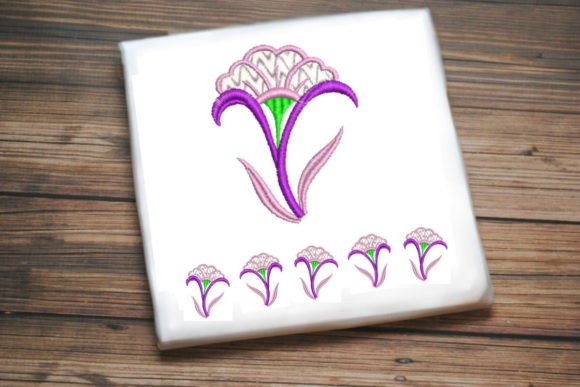
My initial assessment of Purple White Flower suggests a design that bridges the gap between decorative art and professional branding. The description highlights it as "fun and easy to stitch," which is a significant advantage for production environments. For a small business owner, ease of stitching often correlates with lower thread breaks, fewer trims, and faster turnaround times on custom apparel. Visually, the combination of purple and white offers high contrast, which is essential for legibility on merchandise. It feels friendly yet refined, making it suitable for businesses that want to project warmth without sacrificing professionalism.
However, "elegant" can sometimes mean "delicate." As a designer, I immediately look at the line weight and fill areas. For commercial use, we need a design that holds up to industrial washing and frequent wear. If the satin stitches are too narrow or the details too intricate, the design might fail on textured fabrics like canvas tote bags or pique polo shirts. Fortunately, the promise of it looking gorgeous on "any fabric" suggests a balanced stitch density that accommodates various material weights, but verification through testing is always required before bulk production.
Real-World Applications for Small Business Merch
The versatility of Purple White Flower makes it a strong candidate for diverse product lines. Here is how I envision this design performing across different business verticals:
- Café and Bakery Staff Uniforms: This floral motif works exceptionally well as a chest logo accent on aprons or work shirts. The organic shape softens the uniform look, creating a welcoming atmosphere for customers while maintaining a cohesive team appearance.
- Boutique and Florist Branding: For shops selling handmade products or fresh flowers, this design reinforces the nature of the business. It serves as an excellent tote bag design or packaging accent, turning functional items into walking advertisements for your brand identity.
- Event and Wedding Merch: Because the design is described as fun and elegant, it transitions easily into event merchandise. It can be used on napkins, favor bags, or commemorative patches without feeling overly corporate.
- Etsy Seller Assets: Digital creators and crafters can use this digital embroidery file to create unique product listings. Whether applied to denim jackets or linen pillows, the design adds perceived value to the finished product, justifying higher price points.
In each of these scenarios, the key is placement. On an apron, the flower should be positioned above the pocket line to avoid abrasion. On a tote bag, centering the design ensures it remains visible even when the bag is full and distended.
Technical Considerations and Usage Cautions
While Purple White Flower is marketed as easy to stitch, professional results require attention to technical constraints. Not all surfaces are created equal, and understanding where this design might struggle is just as important as knowing where it shines.
Cap Embroidery and Curved Surfaces
If you intend to use this for cap embroidery, proceed with caution. Floral designs with wide horizontal spans can distort on the curved surface of a hat. You must verify if the digitizer has compensated for cap distortion. If the design is flat-digitized, it may pull or gap on the front panel. Always test on a scrap cap first, using a firm backing stabilizer to prevent registration issues.
Small Patch Sizes and Detail Loss
Creating an embroidered patch requires clean edges and readable internal details. If you scale Purple White Flower down significantly for a 2-inch patch, delicate petals may merge into a solid blob. Check the minimum recommended size in the file metadata. If the design relies on tiny running stitches for definition, they may disappear on thick twill patch material. In such cases, consider using the design only at medium-to-large sizes or requesting a simplified version specifically for patch production.
Fabric Texture and Stabilizer Choice
The claim that it stitches well on any fabric is promising, but fabric texture dictates your stabilizer strategy. On smooth cotton, a standard tear-away may suffice. However, for knits, fleece, or performance wear, a cut-away stabilizer is non-negotiable to prevent puckering. Dark uniforms present another challenge; ensure the white thread elements have adequate underlay to prevent the dark fabric color from bleeding through the lighter stitches.
Impact on Brand Identity and Customer Trust
Embroidery is a tactile representation of your brand's quality. A poorly executed design signals carelessness, while a crisp, vibrant application builds trust. Purple White Flower contributes to brand identity by adding a human, artisanal touch that screen printing cannot replicate. For handmade brands, this aligns perfectly with customer expectations of craftsmanship.
Consistency is equally vital. Using this same floral motif across staff uniforms, product labels, and customer gifts creates a unified visual language. This repetition aids recognition and elevates the perceived value of your offerings. When a customer receives a gift embroidered with the same high-quality design seen on your staff’s apron, it reinforces a sense of established professionalism and attention to detail.
Designer Notes: Pre-Production Checklist
Before loading this embroidery file for a commercial run, follow this professional checklist to ensure success:
- Verify Licensing: Confirm that the purchase includes rights for commercial embroidery and resale of finished goods. Never assume personal-use licenses cover business merch.
- Test in Black and White: Print a grayscale template or view the design in monochrome software mode. This reveals whether the design relies solely on color contrast or if the tonal values provide sufficient definition.
- Create a Printable Mockup: Before stitching, generate a printable mockup at actual size. Tape it to the intended garment or item to visualize scale and placement relative to seams, pockets, and zippers.
- Check Thread Colors: Ensure your shop stocks the specific purple and white shades required, or identify acceptable Pantone matches. Color consistency across batches is crucial for brand integrity.
- Confirm Hoop Size: Verify the design dimensions fit comfortably within your available hoops with adequate margin for stabilization. Do not attempt to squeeze a design into a hoop that is too tight.
- Run a Fabric Test: Stitch out the design on the exact fabric you plan to use for production. Inspect for registration errors, tension issues, or coverage gaps. Adjust density or underlay settings if necessary.
- Compare Beside Other Assets: Place this design next to your existing logo or typography. Ensure the style, weight, and complexity are harmonious rather than competing.
Purple White Flower represents a valuable addition to the arsenal of any embroidery shop or small business creator. Its blend of elegance and stitchability makes it a practical choice for everything from boutique branding to staff uniforms. By respecting technical limitations and conducting thorough pre-production testing, you can transform this beautiful floral motif into a powerful tool for business growth and customer engagement. Always remember that in commercial embroidery, the difference between a good product and a great one lies in the meticulous preparation behind the needle.