Yellow Ratchaphruek Flower: An Embroidery Design Review
As an embroidery designer constantly sourcing reliable assets for commercial projects, finding floral designs that balance cultural authenticity with technical stitch quality is a priority. When browsing the Single Flowers Plants category on Creative Fabrica, the Yellow Ratchaphruek Flower design caught my attention. Known as the national flower of Thailand and the state flower of Kerala, India, this botanical subject carries significant visual weight. However, beyond its cultural symbolism, a machine embroidery design must perform technically on fabric. I evaluated this specific embroidery file to determine if it holds up for real-world applications like custom apparel, tote bag designs, and personalized gifts.
First Impressions and Visual Mood
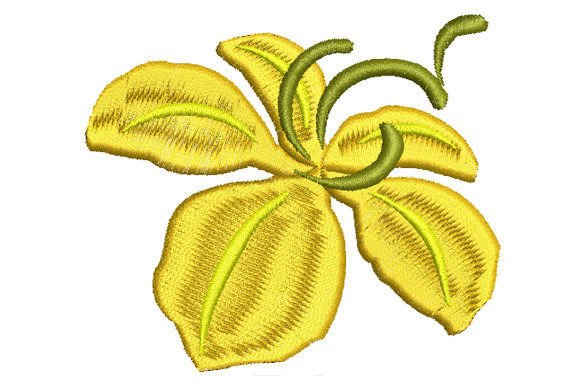
The Yellow Ratchaphruek, or Golden Shower Tree, presents a unique challenge in digitizing because of its cascading cluster structure. Unlike a standard rose or daisy, this flower grows in long, hanging racemes. My first impression of this design was focused on how well the digitizer captured that natural flow. A poor digitization would make these clusters look stiff or blocky, but this design aims to replicate the organic droop of the blossoms.
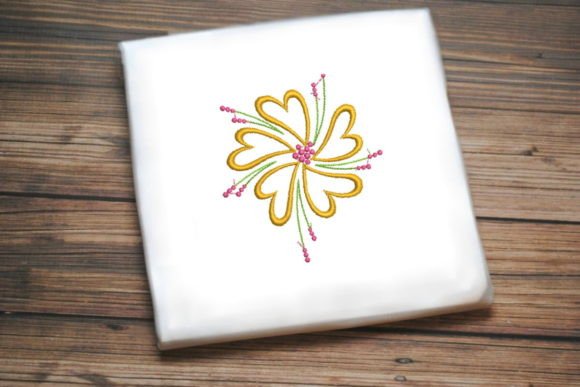
Visually, the design evokes warmth and tropical elegance. The vibrant yellow thread colors against green foliage create a high-contrast motif that reads clearly from a distance. For Etsy sellers and boutique owners, this visual clarity is essential. Customers scrolling through listings need to instantly recognize the subject matter. This design possesses enough decorative appeal to stand alone as a centerpiece on a sweatshirt embroidery project or serve as a delicate accent on a kitchen towel. It avoids the overly cartoonish aesthetic found in some digital embroidery files, leaning instead toward a more refined, botanical illustration style suitable for adult apparel and home decor.
Technical Performance on Various Substrates
A pretty screen preview does not guarantee a clean stitch-out. When testing this Yellow Ratchaphruek Flower for potential use in a customer order, I considered how the stitch density interacts with different fabrics. Floral designs often utilize a mix of satin stitch for outlines and fill stitch for petals. If the stitch density is too high, the fabric can pucker; if too low, the fabric grain shows through.
For stable woven fabrics like canvas tote bags or aprons, this design likely performs exceptionally well. The structure of the Ratchaphruek allows for layered details that pop against heavy material. However, caution is required for stretchy knits used in sweatshirts or baby items. Because the flower clusters are elongated, there is a risk of distortion if the proper stabilizer is not used. I recommend using a cut-away stabilizer for any knit application to maintain the integrity of the running stitch details and prevent the design from warping after washing.
If you are considering this for curved surfaces like caps, verify the hoop size and design dimensions first. Cascading flowers can be tricky on caps due to the limited vertical stitching area near the brim. This design may work better as a side placement rather than a center front logo unless resized appropriately. Always test on scrap fabric before committing to a finished product, especially when working with textured fabrics where fine details might get lost.
Commercial Viability for Handmade Businesses
For creative entrepreneurs, every design asset must justify its place in your library. The Yellow Ratchaphruek Flower offers specific commercial advantages. Its status as a national symbol makes it highly relevant for niche markets targeting Thai or South Asian heritage, cultural festivals, or travel-themed merchandise. This specificity can reduce competition compared to generic floral designs.
I can envision this design translating beautifully into several profitable categories:
- Custom Apparel: A small chest placement on a linen shirt or a large back print on a denim jacket.
- Home Decor: Pillow covers and nursery decor featuring soft pastel variations of the yellow thread colors.
- Accessories: Tote bag designs and embroidered patches that highlight the intricate petal details.
- Seasonal Gifts: Kitchen towels or aprons for summer collections or cultural celebrations.
When creating printable mockups for your shop, ensure the lighting highlights the texture of the stitches. The interplay between the fill stitch and the fabric creates a tactile quality that flat vector art cannot replicate. High-quality photography of the stitched sample builds buyer trust and demonstrates the premium nature of your handmade product.
Practical Notes for Embroiderers
Before adding this to your production queue, practical verification is necessary. While the product description confirms the botanical identity, you must check the specific file details on the Creative Fabrica product page. Confirm the available formats match your machine’s requirements and review the licensing terms to ensure commercial embroidery usage is permitted for your specific business model.
Pay close attention to thread color contrast. The Yellow Ratchaphruek relies heavily on shading to define individual florets within the cluster. On dark fabrics, you may need to add an underlay or adjust the thread palette to prevent the yellow from looking muddy. Conversely, on white fabric, ensure the green stems have enough saturation to anchor the design visually.
For those creating embroidered patches, this design’s natural outline lends itself well to merrowed edges or satin stitch borders. However, tiny lettering should be avoided directly adjacent to the dense floral areas to prevent registration issues. Keep text simple and spaced adequately from the flower clusters.
Evaluating Value and Brand Consistency
Ultimately, does the Yellow Ratchaphruek Flower deserve a spot in your professional library? For designers focusing on botanical accuracy and cultural appreciation, it is a strong contender. It bridges the gap between traditional symbolism and modern embroidery aesthetics. The design avoids common pitfalls like excessive jump stitches or unrealistic proportions, which speaks to the quality of the digitizing.
Using distinct, culturally significant flora like the Ratchaphruek helps establish brand consistency for shops specializing in global or nature-inspired themes. It signals to customers that you curate thoughtful design assets rather than grabbing generic clipart. Whether you are producing a personalized gift for a client with Thai heritage or expanding your spring collection with unique florals, this design offers both versatility and narrative depth.
Remember that successful commercial embroidery relies on preparation. Test your tension, verify your stabilizer choice, and inspect small details after stitching. By treating this digital embroidery file with professional scrutiny, you ensure the final result honors both the craftsmanship of the digitizer and the beauty of the Yellow Ratchaphruek itself. Always refer back to the specific product listing for the most accurate technical specifications before beginning your project.