Hello Autumn: A Designer’s Sweatshirt Review
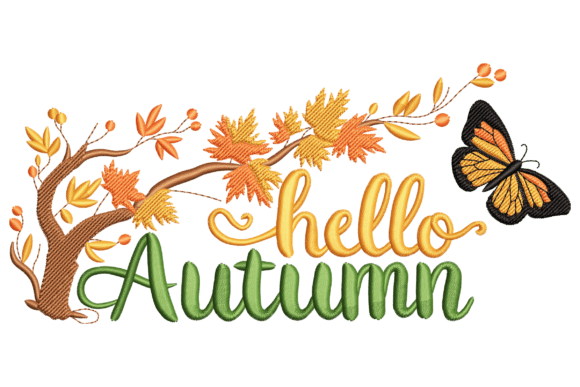
As an embroidery designer preparing for a seasonal collection launch, my evaluation process goes far beyond simply opening a file. When I selected the Hello Autumn Butterfly Branch Embroidery Design for our upcoming boutique sweatshirt drop, I needed to verify that this digital asset would translate into a premium physical product. For small clothing brands and Etsy sellers, the difference between a hobbyist craft and a commercial-grade garment often lies in how well a design interacts with heavy fabrics. This horizontal layout promises elegance, but does it hold up on fleece? Here is my professional assessment of using this machine embroidery design for a limited-edition autumn apparel line.
First Impressions and Seasonal Mood
Upon loading the embroidery file into my digitizing software, the first thing that stands out is the balanced composition. The "Hello Autumn" aesthetic relies heavily on nostalgia and warmth, and this design captures that mood without feeling cluttered. The butterfly branch motif offers a graceful, organic flow that contrasts beautifully with the structured, boxy silhouette of modern oversized hoodies. Unlike rigid, blocky text designs, the curved lines of the branch suggest movement, which adds a feminine and rustic touch to casual wear.
For a boutique brand, visual recognition is key. This design feels decorative yet minimal enough to serve as a signature piece rather than a novelty item. It strikes a difficult balance: it is cute enough for lifestyle photography but sophisticated enough for adult custom apparel. When reviewing design assets for commercial embroidery, I always look for versatility. This layout suggests it could easily transition from a center chest placement on a crewneck sweatshirt to a subtle wrist accent on a cardigan, making it a high-value addition to any digital embroidery file library.
Evaluating Performance on Heavy Fabrics
Sweatshirt embroidery presents unique challenges compared to quilting cotton or linen. Fleece and French terry have significant loft and texture, which can swallow fine details. When testing Hello Autumn, my primary concern was stitch density and fabric texture interaction. A design meant for autumn apparel must account for the thickness of the material.
- Stitch Density and Pile: The branch elements appear to have sufficient coverage to prevent the fleece pile from poking through. However, designers should always run a test stitch-out. If the satin stitches are too narrow, they may sink into the fabric; if too wide, they risk puckering. Adjusting the underlay is often necessary for this type of hoodie design.
- Thread Color Contrast: On neutral sweatshirts like oatmeal, sage, or dusty rose, the design needs tonal variation to remain visible. I recommend using matte threads for the branch and a slight sheen for the butterfly to create depth. For dark fabrics like charcoal or navy, ensure the digitizer has included adequate light-colored highlights so the "Hello Autumn" greeting remains legible.
- Stabilizer Strategy: Because this is a horizontal layout spanning a wider area, hoop size and stabilization are critical. For commercial embroidery on stretchy knits, a single layer of cutaway stabilizer is rarely enough. I advise using a fusible no-show mesh combined with a water-soluble topping to keep the stitches crisp and prevent the design from distorting during washing.
Placement Strategy for Boutique Merchandise
The horizontal orientation of Hello Autumn makes it exceptionally versatile for current fashion trends. As we prepare mockup previews for our online shop, we are evaluating three distinct placements that maximize the design's impact.
Center Chest on Oversized Hoodies
This is the most traditional application for sweatshirt embroidery. The width of the butterfly branch fills the negative space across the chest without overwhelming the wearer. It creates a focal point that photographs well for Instagram and Pinterest, driving customer engagement. For Etsy sellers, this placement signals a classic, cozy vibe that aligns with buyer expectations for seasonal gear.
Back Yoke or Lower Back
To elevate the perceived value of the handmade product, consider placing the design on the upper back yoke. This transforms a standard blank sweatshirt into a premium boutique item. The horizontal flow follows the natural curve of the shoulders, making the garment feel tailored. Alternatively, a lower back placement allows for a smaller front logo, creating a balanced, high-end streetwear aesthetic.
Sleeve and Cuff Accents
While the primary description highlights a horizontal layout, scaling down specific elements (like the butterfly alone) for sleeve cuffs can create a cohesive collection. This encourages customers to buy multiple items or view the brand as comprehensive. Always check the original file dimensions before resizing to ensure stitch integrity remains intact.
Commercial Viability and Brand Identity
For creative entrepreneurs, every design purchase is an investment. Does Hello Autumn justify its place in your production queue? From a business perspective, this design supports strong brand identity. It avoids hyper-specific dates or years, meaning inventory won't become obsolete once November passes. The timeless nature of butterflies and branches extends the selling window throughout the entire fall season and potentially into early winter.
Furthermore, the quality of the finished product directly impacts buyer trust. A design that registers perfectly, with clean jumps and appropriate tension, tells the customer that you care about details. When listing this on platforms like Etsy, use high-resolution photos of the actual embroidered texture, not just printable mockups. Customers want to see how the thread colors interact with the fabric grain. Highlighting the tactile nature of the embroidery reinforces the "handmade" value proposition that justifies a higher price point than mass-produced alternatives.
Technical Checklist Before Production
Before committing to a full production run for your small shop product, please verify the following technical specifications. While the design is visually stunning, successful commercial embroidery requires due diligence:
- Verify Hoop Size Compatibility: Ensure the horizontal dimensions fit within your machine’s maximum embroidery area without requiring re-hooping, which increases labor time and alignment risks.
- Check Stitch Count: High stitch counts on fleece increase production time and thread usage. Confirm the count aligns with your pricing model to maintain healthy profit margins.
- Test Wash Durability: Autumn apparel is worn frequently and washed often. Run a wash test to ensure the stabilizer holds up and the design doesn't pull or pucker after laundering.
- Review License Terms: Confirm that your purchased license permits commercial use on physical products sold in your boutique. Digital resale rights differ significantly from physical product rights.
Final Thoughts for Apparel Decorators
Hello Autumn represents more than just a seasonal graphic; it is a study in balancing delicate artistry with rugged substrates. For the experienced embroiderer, it offers a canvas to showcase technical skill through proper stabilizer selection and thread choice. For the boutique owner, it provides a marketable, photogenic asset that resonates with the cozy, nostalgic desires of fall shoppers.
Whether you are creating a signature hoodie design for a local market or building a scalable custom apparel line online, this embroidery file has the potential to be a bestseller. Success lies in respecting the fabric. Treat the sweatshirt not just as a background, but as an active participant in the design. By paying attention to contrast, density, and placement, you transform a digital file into a cherished wardrobe staple that celebrates the arrival of the season with grace and professionalism.