South Korea Flag: Craft Fair Embroidery Review
As an experienced embroidery designer preparing for a weekend craft fair, I approach every new machine embroidery design with a critical eye. It is not enough for a digitized file to simply look good on a computer screen; it must translate into a tangible, sellable handmade product that catches the attention of market shoppers. When reviewing the South Korea Flag design for my upcoming booth display, I am evaluating it specifically through the lens of commercial viability and production efficiency. This design offers an authentic Asian accent, but its success at a craft fair depends entirely on how we apply it to physical goods.
First Impressions and Visual Impact
My immediate impression of the South Korea Flag is that it strikes a balance between bold symbolism and elegant minimalism. Unlike intricate floral patterns or dense scenic landscapes, this flag design relies on geometric precision and high-contrast color blocking. For a craft fair product, this is a significant advantage. From ten feet away, a customer can instantly recognize the motif without needing to squint at tiny details. The design feels modern and clean rather than rustic or overly ornate, which aligns well with current trends in international home decor and cultural appreciation.
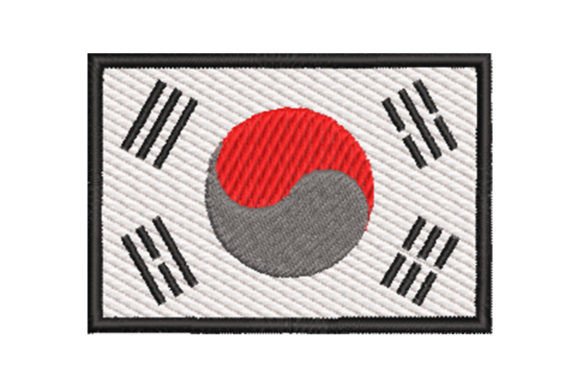
The visual weight of the Taegeuk symbol (the red and blue circle) serves as a natural focal point. In terms of booth display strength, this means the design does not get lost when placed next to busier items. However, because the design is graphic, the quality of the digitization is paramount. Any jagged edges or misaligned trigrams will be immediately obvious. As a designer, I see this as a premium candidate for products where crisp lines signify quality, such as structured tote bags or flat-weave textiles.
Best Product Applications for Market Sales
When stocking a table for a handmade market, I need items that move quickly and showcase the design's strengths. Here is how I evaluate the South Korea Flag across different product categories:
- Tote Bag Design: This is arguably the strongest application. Canvas tote bags provide a stable, flat surface that supports the geometric nature of the flag. The contrast of red, blue, and black thread against natural or white canvas creates a striking visual that photographs beautifully for Etsy seller listings.
- Tea Towel Embroidery: Kitchen linens are staple sellers. Because the flag uses solid fill areas rather than complex shading, it stitches out relatively quickly on tea towels. This makes it ideal for batch production before a fair. The design adds a sophisticated cultural touch to kitchenware without feeling kitschy.
- Embroidered Patch: Given the distinct borders and shapes, this design converts exceptionally well into patches. Patches are high-margin add-ons at craft fairs. Customers who may not buy a $30 bag might purchase a $8 patch. The South Korea Flag works perfectly here because the trigrams remain legible even at smaller sizes.
- Apron Embroidery: For cooking enthusiasts interested in Korean cuisine, an apron featuring this flag is a niche winner. I would place the design on the upper chest bib rather than the lower pocket area to ensure it remains visible when the apron is worn.
- Fabric Pouches and Pillow Covers: These items allow for a larger hoop size, letting the design breathe. On pillow covers, the flag acts as a tasteful accent piece for modern interiors.
Production Practicality and Batch Efficiency
For a small shop product line, time is money. The South Korea Flag performs well in a production environment because of its predictable stitch path. Assuming the embroidery file is optimized, the color changes are logical and minimal compared to multi-colored scenic designs. This reduces machine downtime during batch runs. Furthermore, the design is highly repeatable. Once I have dialed in the tension and stabilizer for the first run, subsequent items require less monitoring.
From a digital sales perspective, if you are selling the digital embroidery file itself, this design has broad appeal. Buyers looking for Asian heritage projects often struggle to find flags that are digitized correctly. Providing multiple file formats increases accessibility for users with different machines. For those selling finished goods, the design’s clarity makes creating a printable mockup straightforward. The high contrast ensures that online photos accurately represent the finished product, reducing return rates due to unmet expectations.
Critical Use Notes and Technical Warnings
Despite its apparent simplicity, the South Korea Flag presents specific challenges that can ruin a commercial embroidery project if ignored. As a reviewer, I must highlight these potential pitfalls:
- Stitch Density Management: The solid red and blue sections of the Taegeuk can become bulletproof if the density is too high. On lightweight fabrics like tea towels, this causes puckering. Always check the stitch density settings. If the design feels too stiff, use a lighter density or a mesh fill underlay.
- Trigram Clarity at Small Sizes: The four sets of black bars (trigrams) contain negative space. If you resize this design down for a cap or small pocket, those gaps may close up, turning the symbols into unrecognizable blobs. Test the minimum viable size before committing to production.
- Fabric Texture Interference: Avoid using this design on high-pile terry cloth or thick fleece without proper preparation. The sharp lines of the flag will sink into the texture. Use a water-soluble topping to keep the stitches on the surface.
- Curved Surfaces: While great for caps, the circular geometry of the flag can distort on curved brims. Ensure your cap frame is secure and consider slightly adjusting the design curvature in software if necessary to compensate for the hat's shape.
- Thread Colors: Authenticity matters. Do not substitute generic red or blue. Use specific shades that match the official South Korean flag standards to maintain the "authentic Asian accent" promised in the description.
Designer Checklist Before Selling
Before listing this as a craft fair product or adding the design assets to your store, complete this practical checklist. Skipping these steps is the difference between amateur output and professional merchandise.
- Test Stitch-Out: Never sell based on a screen preview. Sew out the design on the exact fabric you intend to sell. Inspect the registration marks and edge definition.
- Stabilizer Verification: Confirm you are using the correct stabilizer. Cut-away is usually best for stretchy fabrics to prevent distortion of the circle, while tear-away may suffice for crisp woven cottons.
- Contrast Check: Verify thread visibility against your chosen fabric colors. White thread on cream fabric or black thread on navy fabric will fail at a distance.
- Licensing Confirmation: Review the terms included with the embroidery file. Ensure you have the right to sell finished products commercially. Some designers restrict usage to personal projects only.
- Mockup Creation: Create at least one real photo mockup. Flat lays work best for tote bags and towels. Good lighting is essential to show the sheen of the thread and the texture of the embroidery.
- Hoop Size Compatibility: Double-check that the design fits within your machine’s maximum embroidery area. Nothing halts production faster than realizing a design requires a hoop you do not own.
Enhancing Booth Engagement and Value
Ultimately, the South Korea Flag is more than just a patriotic symbol; it is a versatile design asset for the creative entrepreneur. Its clean aesthetic allows it to bridge the gap between traditional cultural items and contemporary handmade goods. When displayed at a craft fair, group these items together to create a cohesive collection. A stack of embroidered tea towels next to matching tote bags creates a perceived value that encourages bundle purchases.
For Etsy seller success, use keywords that reflect both the cultural aspect and the product type. Highlighting the "high-quality" and "authentic" nature of the design in your listing description builds trust. Remember, customers at handmade markets are buying a story and a standard of quality. By treating the South Korea Flag with technical respect and strategic product placement, you transform a simple digital file into a profitable, culturally respectful, and visually stunning inventory staple. Always verify the specific file formats and license details provided with your purchase to ensure smooth operations for your unique business needs.