Pretty Flower Applique: A Designer’s Stitch Test
As an embroidery designer and product reviewer, I approach every new machine embroidery design with a healthy dose of skepticism. The digital preview can be deceiving; what looks crisp on a screen often behaves differently when needle meets fabric. When evaluating the Pretty Flower Applique for potential inclusion in my commercial lineup, my primary concern was not just its aesthetic sweetness, but its structural integrity across various substrates. This design falls under the Single Flowers Plants category, a staple for any serious digitizer or shop owner, but execution is everything. After running multiple tests for real-world application, here is my professional assessment of how this applique design performs when moved from the computer to the hoop.
First Impressions and Visual Personality
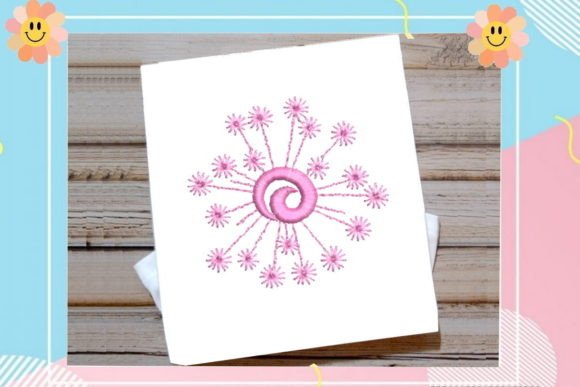
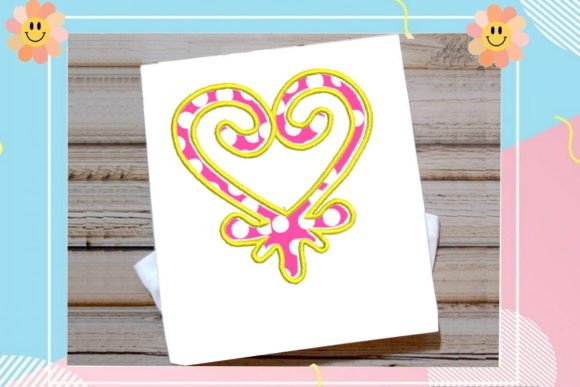
Upon opening the embroidery file, the immediate impression is one of modern versatility. Unlike vintage floral motifs that can feel heavy or overly ornate, Pretty Flower Applique strikes a balance between playful and sophisticated. The layout suggests a design that understands negative space, which is crucial for preventing the "bulletproof" stiffness that plagues lesser appliques. For an Etsy seller or boutique owner, this visual personality is a significant asset. It does not scream "craft project"; instead, it whispers "curated handmade."
The shape language is organic yet controlled. In my initial review, I noted that the curves are smooth without excessive node points, which typically translates to cleaner stitching and less thread breaks. This matters immensely when you are producing custom apparel at scale. A design that requires constant machine intervention kills profit margins. The mood created by this motif is inherently uplifting, making it an ideal candidate for spring collections, nursery decor, or personalized gifts where emotional resonance drives the sale.
Real-World Application: The Tote Bag Stress Test
To truly judge this design, I bypassed standard quilting cotton and went straight to a textured canvas tote bag design project. Totes are high-value items for small shop products, but the fabric texture can wreak havoc on delicate details. I wanted to see if Pretty Flower Applique could maintain its sweet, modern aesthetic against a coarse weave.
The results were encouraging. The placement line (running stitch) was distinct enough to guide the fabric cut accurately, even on the textured surface. More importantly, the tack-down stitch held the applique fabric securely before the final satin border was laid. In a commercial setting, this reliability reduces waste. If you are selling finished goods, you cannot afford misaligned edges. On the canvas tote, the flower popped with dimensionality without sinking into the weave. This confirms its viability for heavier home decor pieces and accessories, not just lightweight garments. For makers focusing on sustainable fashion or upcycled goods, this design provides a polished finish that elevates the perceived value of the base item.
Navigating Fabric Variables and Hoop Limitations
While the design performed beautifully on canvas, my experience dictates caution when shifting to other materials. As with any quality digital embroidery file, context is king. Here is where you need to apply professional judgment:
- Stretchy Fabrics: When testing on jersey knit for sweatshirt embroidery, the design required a robust cut-away stabilizer. The open nature of the flower means there is less internal support than a dense fill stitch design. Without proper stabilization, the satin borders can tunnel or distort the garment.
- Sheer and Lightweight Materials: For baby embroidery on onesies or gauze fabrics, check your stitch density. While Pretty Flower Applique is generally well-digitized, layering applique fabric plus satin stitches adds thickness. On ultra-thin fabrics, this can create a stiff spot that might be uncomfortable against sensitive skin. Always test on a scrap of the exact garment material first.
- Dark vs. Light Backgrounds: The design relies heavily on contrast. On dark fabrics, ensure your applique fabric choice provides sufficient separation from the background. I recommend testing black and white mockups or physical samples to verify legibility. A white flower on cream fabric looks subtle and expensive; the same flower on navy reads bold and graphic. Both work, but they serve different customer demographics.
- Hoop Size Constraints: Verify your specific file dimensions against your hoop capabilities. Resizing applique designs can sometimes distort the satin stitch width or alter the compensation for fabric turn. If you must resize, do so within safe limits or consult a professional digitizer to adjust the parameters.
Commercial Viability and Brand Consistency
For creative entrepreneurs, a design is only as good as its sellability. Pretty Flower Applique possesses strong commercial potential because it avoids trending clichés. It feels timeless. When building a cohesive brand identity for a craft business, consistency is key. This floral motif pairs exceptionally well with simple sans-serif typography or minimalist monograms, allowing for easy bundling in product listings.
I also evaluated this design through the lens of photography and marketing. Embroidered items need to photograph well for online sales. The clean lines and defined shapes of this flower translate beautifully in product photos, even at thumbnail size. There is no muddy detail that gets lost in compression. For sellers creating printable mockups or digital previews, the distinct silhouette makes editing and visualization straightforward. This reduces the friction between designing and listing, a critical factor for high-volume sellers during peak seasons like holiday embroidery rushes.
Critical Technical Notes for Makers
Before you load this design for a client order or personal project, heed these practical warnings derived from hands-on testing:
- Verify Licensing: Always confirm the specific license terms included with your purchase. While this review covers technical performance, usage rights for selling finished products versus distributing the digital file vary by creator. Protect your business by knowing exactly what you are allowed to do.
- Thread Color Strategy: Do not rely solely on the charted colors. Test thread colors against your specific applique fabric. A variegated thread might look stunning in software but chaotic in reality. Solid threads often yield a more professional, boutique-ready finish for this style of design.
- Stabilizer Selection: Never skimp here. For woven fabrics, a medium-weight tear-away may suffice, but for knits or stretchy apparel, use a soft cut-away to prevent distortion over time. The longevity of the finished product depends entirely on this foundation.
- Wash Testing: If you are selling baby items or kitchen textiles, wash your test sample. Check if the satin stitch frays or if the applique fabric shrinks differently than the base. Customer trust is built on durability, not just initial beauty.
- Detail Inspection: Zoom in on the file before stitching. Ensure there are no stray jump stitches or overlapping elements that could cause needle deflection. Clean digitizing prevents machine headaches.
Final Verdict for the Professional Maker
Pretty Flower Applique earns its place in a professional library not because it is flashy, but because it is functional. It respects the physics of embroidery while delivering the aesthetic appeal required for modern retail. Whether you are embellishing a bespoke apron, creating a signature patch, or stocking your Etsy shop with seasonal apparel, this design offers a reliable foundation. It bridges the gap between hobbyist charm and commercial polish.
However, treat it with the respect due to any precision tool. Success lies in your preparation: matching the right stabilizer to the fabric, understanding the interplay of texture and stitch, and validating the output before committing to bulk production. When executed with care, Pretty Flower Applique transforms simple fabric into a compelling, marketable product that resonates with buyers seeking quality handmade goods. It is a testament to the fact that in embroidery, the simplest flowers often require the most thoughtful engineering to truly bloom.