Patriotic Eagle American Flag Design Review
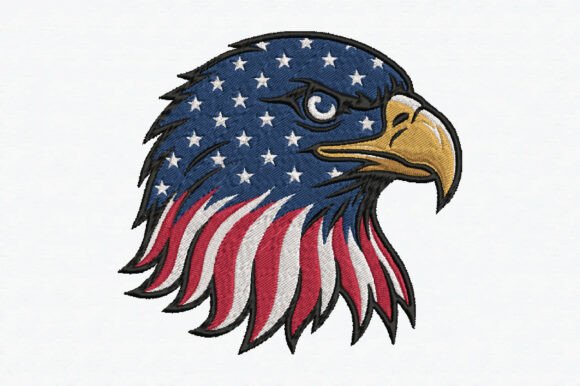
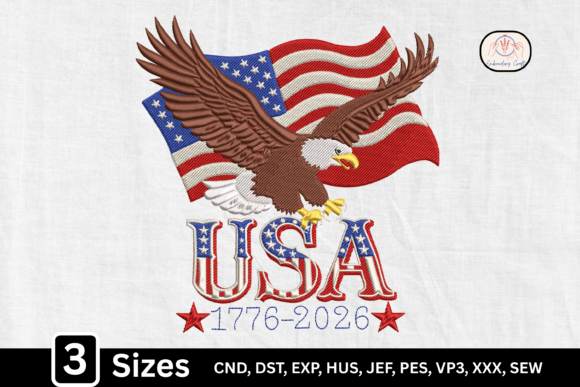
As we approach the United States Semiquincentennial, the demand for high-quality, historically respectful, and visually striking patriotic merchandise is beginning to surge. When I first loaded the Patriotic Eagle American Flag machine embroidery design into my software, I wasn't just looking for a pretty picture; I was evaluating a potential bestseller for the upcoming 250th anniversary of American independence. This design, featuring the bold "USA 1776–2026" motif alongside a powerful bald eagle, presents a unique opportunity for makers and shop owners. However, translating a digital file into a tangible, sellable product requires more than just hitting the start button. It requires understanding how stitch density interacts with fabric texture and how historical significance translates to modern consumer appeal.
First Impressions: Balancing History and Stitch Integrity
The immediate visual impact of this embroidery file is strong. The layout successfully bridges traditional heraldry with commemorative typography. For an embroidery designer, the primary concern with any patriotic motif is clarity. Eagles are notoriously difficult to digitize well because their feather details can easily turn into a muddy mess of thread if the stitch direction isn't intentional. In reviewing the Patriotic Eagle American Flag, the artwork appears to prioritize clean lines over hyper-realism, which is actually a benefit for production. This stylistic choice suggests the design will hold up better on varied textiles than a photorealistic alternative would.
The inclusion of the specific date range "1776–2026" elevates this beyond a generic Fourth of July decoration. It transforms the piece into a limited-edition commemorative asset. For Etsy sellers and boutique owners, this specificity creates urgency and perceived value. Customers aren't just buying a flag; they are buying a piece of the Semiquincentennial celebration. From a technical standpoint, I looked closely at the transition areas between the eagle and the text. These junction points are where registration errors often occur. A well-digitized version of this design should have adequate underlay and pull compensation to ensure the text remains legible and aligned with the graphic elements, even after washing.
Real-World Application: Stitching a Commemorative Tote
To truly evaluate this design, I considered a real-life production scenario: creating a premium canvas tote bag for a local historical society fundraiser. Canvas is a fantastic medium for patriotic themes because its natural texture complements the ruggedness of American iconography. However, it also presents challenges regarding stabilizer choice and needle penetration.
When preparing the Patriotic Eagle American Flag for this tote bag project, the weight of the design matters. If the fill stitch areas are too dense, the canvas will pucker, and the bag may lose its drape. I recommend testing this embroidery project on a scrap of the exact canvas weight you intend to use. For this specific application, using a medium-weight cutaway stabilizer provided the necessary support without adding excessive bulk. The result was a crisp, professional finish that felt substantial but not stiff.
This use case highlights why this design works so well for custom apparel and accessories. The bold nature of the eagle and the block lettering allows for visibility from a distance, which is crucial for merchandise sold at craft fairs or outdoor Independence Day events. Whether you are stitching sweatshirt embroidery for a fall collection or creating a personalized gift for a veteran, the scale of this design commands attention without overwhelming the garment's silhouette.
Fabric Considerations and Technical Limitations
While the Patriotic Eagle American Flag is versatile, it is not universally forgiving. As an experienced reviewer, I must caution against using this design on certain substrates without significant modification or testing.
- Stretchy Knits and Performance Wear: The combination of satin stitch borders and fill stitch bodies can create a rigid patch effect on lightweight jersey or spandex blends. If you plan to use this for baby embroidery or athletic wear, verify the stitch count and density first. You may need to use a lighter stabilizer or a tear-away topping to prevent the design from distorting the fabric.
- Textured Fabrics: On terry cloth towels or fleece blankets, fine details in the eagle’s talons or beak can get lost. Always use a water-soluble topping to keep the stitches sitting on top of the pile. Without this step, your finished product may look unprofessional and lack the definition required for a commemorative item.
- Curved Surfaces: If you are attempting cap embroidery, ensure your hoop size accommodates the full width of the design without distortion. Curved surfaces can warp horizontal text like "1776–2026." Test on a spare cap structure before committing to a production run.
- Dark Fabrics: Patriotic designs rely heavily on red, white, and blue contrast. On navy or black backgrounds, ensure the white elements have sufficient coverage. Sometimes, running a white underlay beneath colored sections prevents the dark fabric from showing through the stitches, maintaining color vibrancy.
Commercial Viability for Makers and Sellers
For creative entrepreneurs, the value of an embroidery file extends beyond personal enjoyment. It lies in its ability to generate sales and build brand recognition. The Patriotic Eagle American Flag design serves as an excellent anchor product for the 2025 and 2026 seasons. Because it references the 250th anniversary, it has a built-in marketing hook that generic flags lack.
When listing handmade products featuring this design, presentation is key. Use printable mockups to showcase how the design looks on different colored garments before you even stitch a sample. This saves time and thread while allowing you to gauge customer interest. However, nothing builds trust like high-quality photos of the actual stitched product. Show close-ups of the stitch texture. Buyers want to see that the satin stitches are smooth and the registration is precise. This transparency confirms that your commercial embroidery standards are high.
Furthermore, consider how this design fits into a broader collection. It pairs naturally with vintage Americana aesthetics, rustic farmhouse decor, and classic military appreciation themes. By integrating this digital embroidery file into a cohesive shop collection, you increase the average order value. Customers looking for a holiday gift might also purchase matching tea towels or pillow covers if the design language is consistent.
Essential Designer Notes for Success
Before you begin mass production or list items for sale, adhere to these practical guidelines to ensure the best possible outcome with the Patriotic Eagle American Flag:
- Verify Licensing: Always confirm the specific usage rights associated with your purchased embroidery file. Ensure you are permitted to sell finished physical products and check if there are any restrictions on digital distribution or modification.
- Test Stitch Density: Run a test sew-out on the exact fabric and stabilizer combination you plan to use for production. Check the back of the embroidery; excessive bobbin thread showing on top indicates tension issues or density problems that need adjustment.
- Thread Color Matching: "Red, White, and Blue" varies significantly between thread brands. Select shades that offer enough contrast against each other. A navy blue that is too dark might disappear on black fabric, while a bright royal blue might clash with vintage-style aesthetics. Curate your thread colors intentionally.
- Hoop Size Confirmation: Do not assume the design will fit your standard hoop. Measure the actual stitch area in your software. Resizing can alter stitch density and cause issues; if resizing is necessary, do so within safe limits or use software designed to recalculate stitches.
- Mockup vs. Reality: While digital previews are useful for listings, always validate them against a physical sample. Screen colors rarely match thread sheen perfectly. Your customers appreciate accuracy in product representation.
The Patriotic Eagle American Flag represents more than just a seasonal trend; it is a celebration of endurance and heritage. By approaching this design with technical diligence and creative foresight, you can create embroidered patches, apparel, and gifts that honor the occasion with the quality it deserves. Whether you are a hobbyist making a gift for a neighbor or a business owner preparing for the biggest retail year in decades, taking the time to understand the nuances of this file will pay dividends in the final stitch-out.